
Unlocking secrets How casinos create illusions of luck and chance
The Psychology of Luck in Gambling
Casinos are designed to manipulate players’ perceptions of luck and chance. One of the primary ways this is achieved is through various psychological techniques. For instance, the near-miss phenomenon, where a player almost wins, evokes feelings of hope and encourages further gambling. This illusion of being “close” to a win can lead individuals to believe that luck is on their side, prompting them to continue playing despite the odds stacked against them. In Idaho, many residents seek out options such as idaho online casino for their gaming experience.
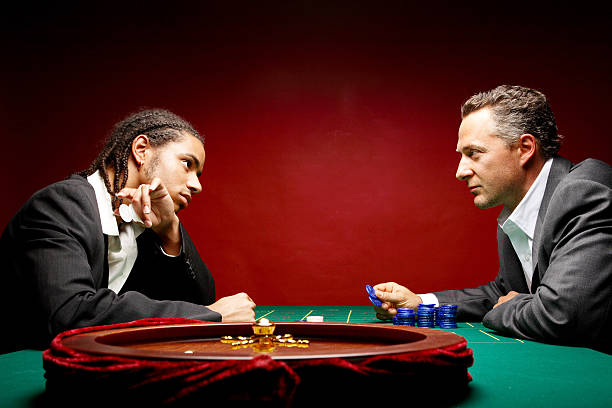
Additionally, the concept of randomness is often misinterpreted by players. Many believe that a winning streak indicates an increase in their chances of success, not realizing that each spin or each hand is independent. Casino designs, from the layout of slot machines to the placement of tables, reinforce these misconceptions, creating an environment where luck seems prevalent even when it is not.
The Role of Ambiance and Design
The physical environment of a casino plays a crucial role in shaping the illusion of chance. Bright lights, engaging sounds, and an overall festive atmosphere create a euphoric setting that can cloud judgment. This sensory overload is designed to distract players from their potential losses, making them feel as though they are part of an exciting game of chance, rather than a calculated exercise of financial risk.
Moreover, the continuous flow of complimentary drinks and the absence of clocks can manipulate time perception. Players often lose track of how long they’ve been gambling, leading to prolonged play, which increases the chance of losses. This environment fosters an illusion where luck seems more accessible, encouraging players to spend more money in hopes of hitting a jackpot.
Strategies Behind Game Design
Every game in a casino is meticulously designed with strategies that enhance the perception of luck. For example, the design of slot machines incorporates vibrant visuals, engaging narratives, and captivating sound effects intended to enhance the player’s experience. These elements create anticipation and excitement around the possibility of winning, even though the house always retains a statistical advantage.
Moreover, cognitive biases play into these designs. The availability heuristic, where players recall instances of winning while overlooking their losses, perpetuates the belief that significant wins are around the corner. This selective memory reinforces their belief in luck, leading them to wager more than they might otherwise consider.
The Influence of Marketing and Promotions
Marketing strategies employed by casinos heavily exploit the illusion of luck. Promotions such as ‘lucky draws’ or ‘jackpot weekends’ create a buzz around the idea that players could be the next big winners. These promotions are strategically timed to coincide with high-traffic periods, ensuring that the presence of potential luck is always in the air.
Furthermore, the use of celebrity endorsements and testimonials from winners adds to the allure. Players often feel a connection with those who have won, believing that they too can experience such luck. This marketing tactic not only drives traffic to casinos but also reinforces the notion that luck is not just a chance occurrence but something attainable.
Understanding the Landscape of Responsible Gambling
In a constantly evolving gambling industry, understanding the psychological tactics at play is crucial for responsible gambling. Players who recognize that the appearance of luck is a carefully curated illusion can make more informed decisions regarding their gaming habits. Recognizing that without a strategy, and without understanding the odds, indulging in gambling can lead to adverse outcomes is vital.
Resources and insights into responsible gambling practices are available, ensuring that players can enjoy gaming as a form of entertainment rather than a means of financial gain. By promoting a clear understanding of how casinos craft these illusions, individuals can engage in gambling responsibly and acknowledge the reality of risk versus reward.